Da Nang in 2026 promises an exciting journey of discovery with stunning beaches, diverse cuisine, and a unique cultural identity. This article provides a detailed travel guide from the ideal time to visit and accommodation choices to smart transportation and shopping tips to help you enjoy a perfect and memorable trip. Don’t miss the suggested 3 day 2 night itinerary to fully experience the beauty of this charming coastal city.
Da Nang, a young and dynamic city and one of Vietnam’s top travel destinations, continues to attract a large number of visitors. With continuously developing infrastructure and tourism services, Da Nang has firmly established itself as a “most livable city,” boasting beautiful beaches, rich cuisine, and friendly locals. If you are planning to explore this coastal city in 2026 whether on a package tour or traveling independently understanding the important notes below will help make your trip smoother and more enjoyable.

3 Important Notes for Travelers Joining a Da Nang Combo Tour
1. Best Time to Visit Da Nang
Da Nang has a tropical monsoon climate with two distinct seasons:
-
Dry season: January to July
-
Rainy season: August to December
Choosing the right time to travel greatly affects your experience.
According to many travelers, May to July is the best time to visit Da Nang. During this period, the weather is dry and sunny with little rain—ideal for sightseeing, outdoor activities, and especially swimming at famous beaches like My Khe and Non Nuoc. The average temperature ranges from 28–32°C. This is also the peak tourist season, so service prices may be slightly higher.
Another great option is January to April, when the weather is cooler and more pleasant, with less intense sunshine and minimal rain. Traveling during this period can help you save costs, as airfare and hotel prices are usually lower than in peak season. It’s perfect for those who want a more relaxed experience and fewer crowds.
The rainy season (August–December) may bring sudden showers or storms, but it’s suitable for travelers who enjoy peace and a quieter atmosphere. Indoor activities such as visiting museums, enjoying local cuisine, or relaxing at spas are great alternatives.
You can also plan your trip around festivals to experience local culture, such as the Da Nang International Fireworks Festival (DIFF) held in summer. Photography lovers will enjoy the dry season’s clear skies and golden sunlight, while the rainy season can create a romantic, mystical charm—especially at places like Ban Co Peak or Hai Van Pass.
2. Choosing Suitable Accommodation in Da Nang
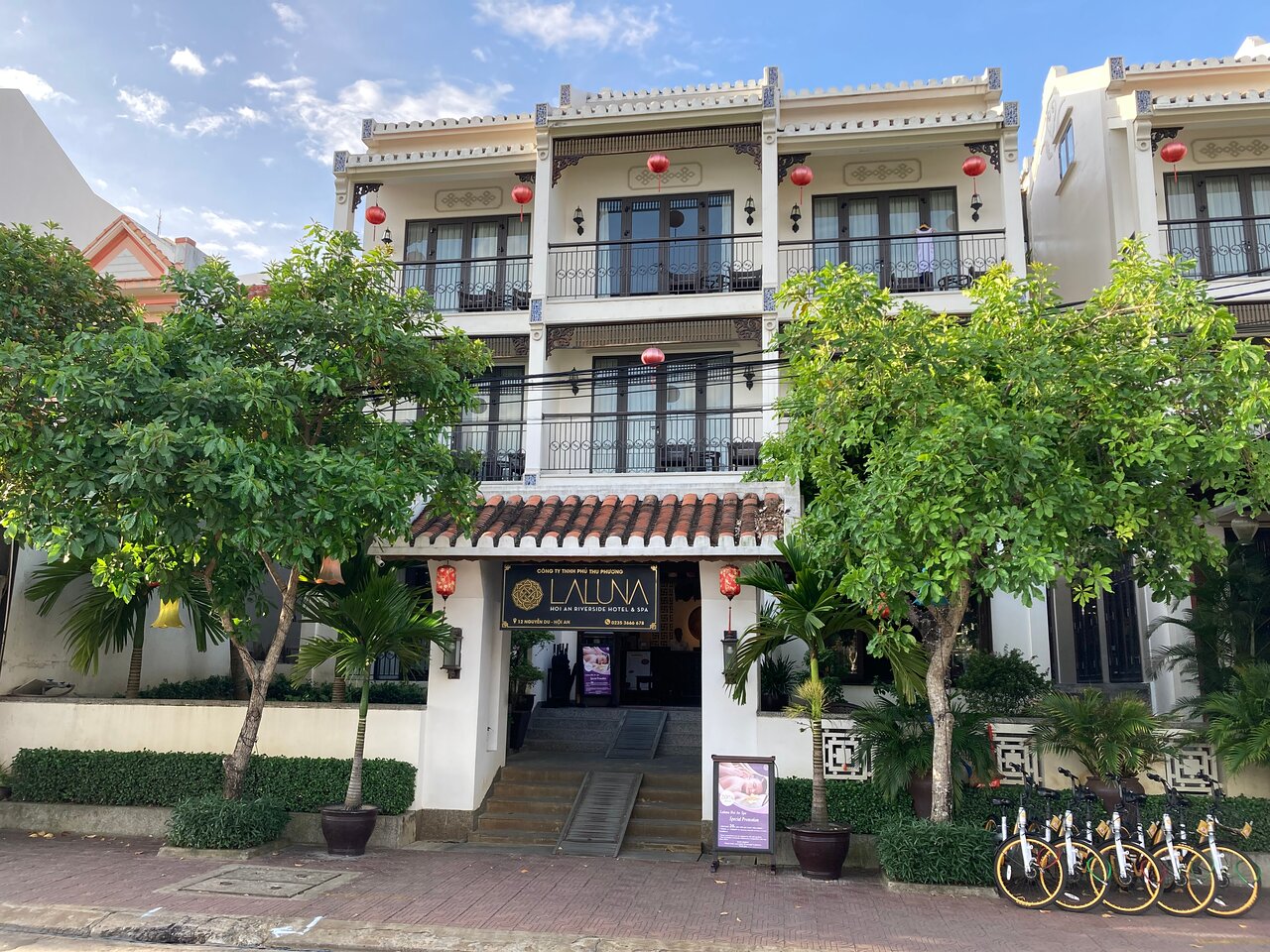
As a major tourism hub, Da Nang offers a wide range of accommodations—from luxury resorts and high-end hotels to budget guesthouses and unique homestays.
If convenience and easy transportation are your priorities, choose hotels in the city center or near the airport, where you’ll have easy access to restaurants, shopping malls, and famous bridges like Dragon Bridge and Han River Bridge.
For beach lovers, My Khe or Non Nuoc beachfront hotels are ideal for enjoying fresh sea air and sunrise views.
Budget travelers can opt for guesthouses or homestays in suburban areas or small alleys, which are more affordable. Some homestays offer unique local cultural experiences with cozy, friendly designs.
Tips:
-
Book accommodation 1–3 months in advance, especially during peak seasons or holidays.
-
Booking through travel agencies or online platforms often offers better deals than booking directly.
-
Check amenities such as swimming pools, gyms, spas, and restaurants.
-
Read guest reviews to ensure service quality.
3. Exploring Local Cuisine and Culture
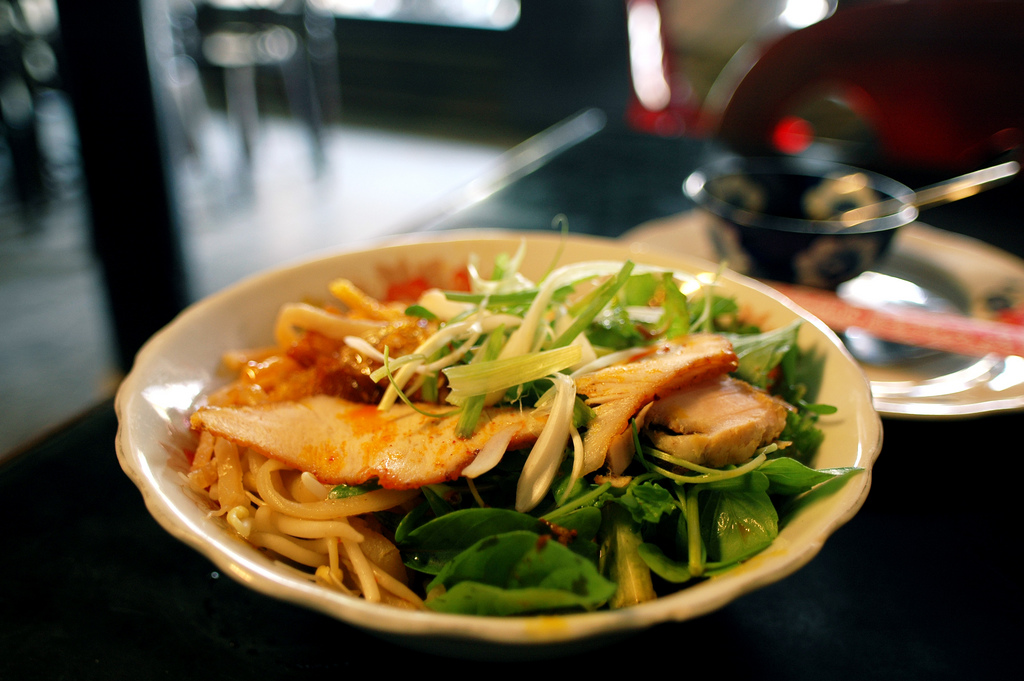
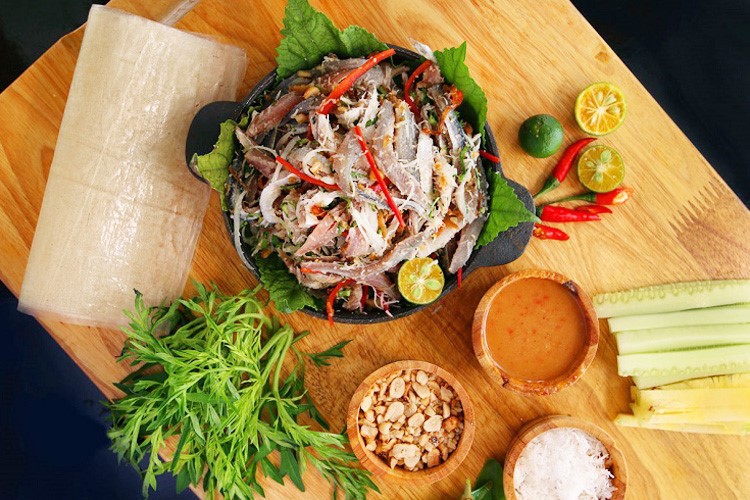
Da Nang’s cuisine is a major highlight. Don’t miss iconic dishes such as Mi Quang, fish cake noodle soup, banh xeo, nem lui, and Nam O fish salad. Each dish reflects the flavors of Central Vietnam, using fresh ingredients and traditional recipes.
For authentic food experiences, visit local markets like Con Market and Han Market, which are also street food paradises with reasonable prices. Don’t hesitate to try local snacks and chat with vendors to learn more about culinary culture.
Culturally, Da Nang blends modern urban life with long-standing traditions. Visit the Cham Museum to learn about ancient Champa civilization, or explore traditional craft villages like Non Nuoc Stone Village. If possible, attend local festivals to gain deeper insight into the city’s spiritual life.
Other must-try specialties include pork rolled with rice paper, fermented fish sauce noodles, and local sweet soups (chè). Street food stalls often offer the most authentic flavors at affordable prices. You can even join local cooking classes to better understand Central Vietnamese cuisine.

Transportation and Smart Shopping Tips
Transportation options in Da Nang include taxis, ride-hailing services (Grab, Gojek), and motorbike rentals (around 100,000–150,000 VND/day). Public buses are also available for budget travelers.
When shopping for souvenirs or local specialties, always ask for prices in advance and check product quality. Popular specialties include dried squid, dried fish, Nam O fish sauce, sesame crackers, and Non Nuoc stone products.
For longer trips to places like Hoi An or Ba Na Hills, consider hiring a car with a driver or using tourist buses for convenience.
Additional Tips When Traveling to Da Nang
-
Bring sun protection when going to the beach (hat, sunscreen, sunglasses).
-
Avoid swimming at night for safety reasons.
-
Bridge schedules:
-
Han River Bridge rotates from 11:00 PM to 12:00 AM on weekends.
-
Dragon Bridge breathes fire and water at 9:00 PM on Saturday and Sunday nights.
-
-
Keep the environment clean and avoid littering.
-
Carry some cash for small vendors and markets.
-
Prepare a small first-aid kit and a power bank for your devices.
Suggested 3 Day 2 Night Da Nang Itinerary
Day 1: City Center & My Khe Beach
-
Morning: Arrive, check in, enjoy Mi Quang, visit Cham Museum
-
Afternoon: Swim and relax at My Khe Beach
-
Evening: Visit Dragon Bridge & Han River Bridge, enjoy seafood
Day 2: Ba Na Hills & Hoi An
-
Daytime: Explore Ba Na Hills (Golden Bridge, French Village, Fantasy Park)
-
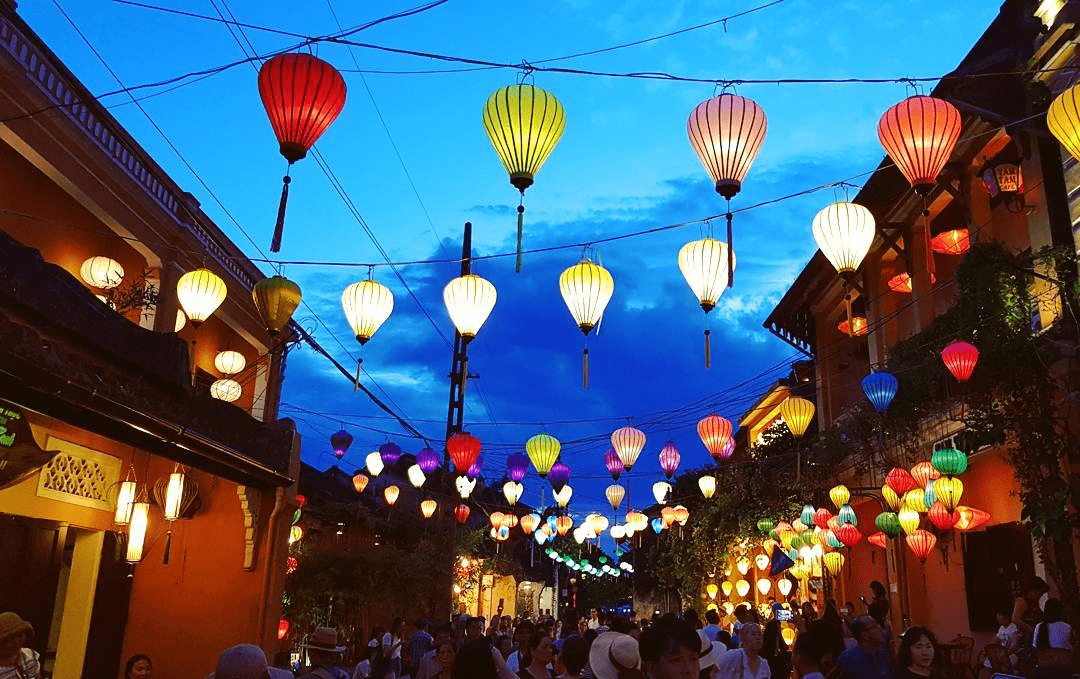
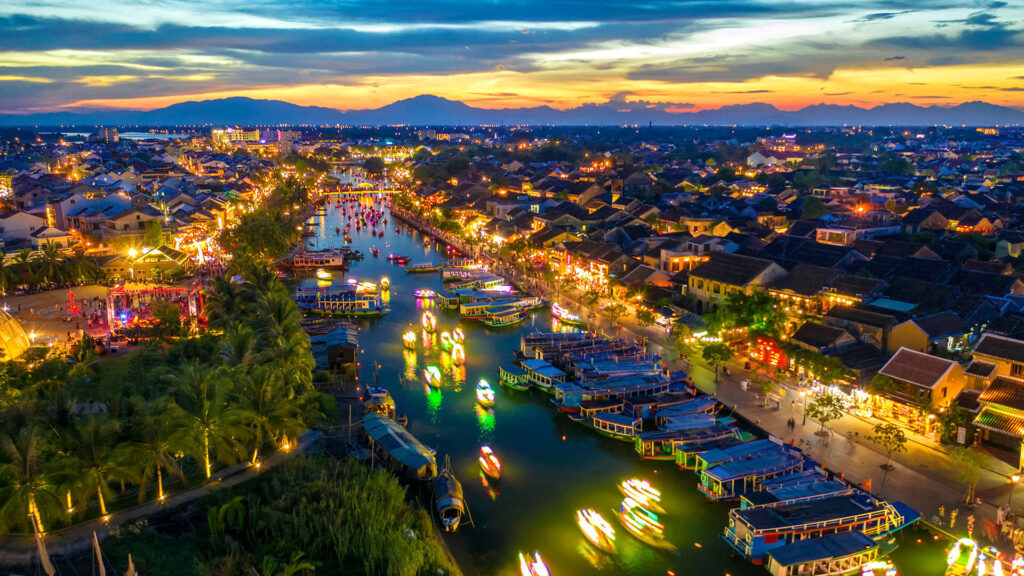
Evening: Visit Hoi An Ancient Town, lantern release, enjoy local dishes
Day 3: Marble Mountains & Shopping
-
Morning: Visit Marble Mountains and Non Nuoc Stone Village
-
Afternoon: Shop for souvenirs at Han or Con Market
-
Evening: Head to the airport, end the trip
Above is a complete guide and essential tips to help you enjoy a perfect and memorable Da Nang trip in 2026. We hope this information helps you plan your journey smoothly. Wishing you an amazing trip filled with beautiful memories in Da Nang.

Related post:
-

Visit Mui Ne Fishing Village – A Peaceful And Poetic Destination In Binh Thuan
-

Experience Ham Thuan Lake – A Trending Destination In Binh Thuan
-

Famous Attractions On Phu Quy Island During A Binh Thuan Trip
-

Why Is Phu Quy Island So Appealing To Travelers Worldwide?
-

Top 5 Best Value Hotels For Travelers In Hoi An
-

Discover 20 Must Visit Attractions In Binh Thuan
-

The Ultimate Self Guided Travel Guide To Hoi An In 2026
-

Bay Mau Coconut Forest Tourist Area: Basket Boat Ticket Prices 2026
-

Bay Mau Coconut Forest, Hoi An – A Complete Travel Review
-

What To Visit When Traveling Independently In Hoi An?
-

Cao Lau Hoi An – The Culinary Essence Of The Ancient Town
-

Travel Tips For Visiting Hoi An In Autumn – Discover A Truly Unique Beauty
-
Hoi An Autumn Travel – Discover The Poetic Beauty Of The Ancient Town
-

Da Nang Travel: The Best Time To Visit Bay Mau Coconut Forest
-

The Dreamy Beauty Of Nam O Reef In Da Nang
-

Nam O Fish Salad – The Culinary Essence Of A Traditional Fishing Village In Da Nang